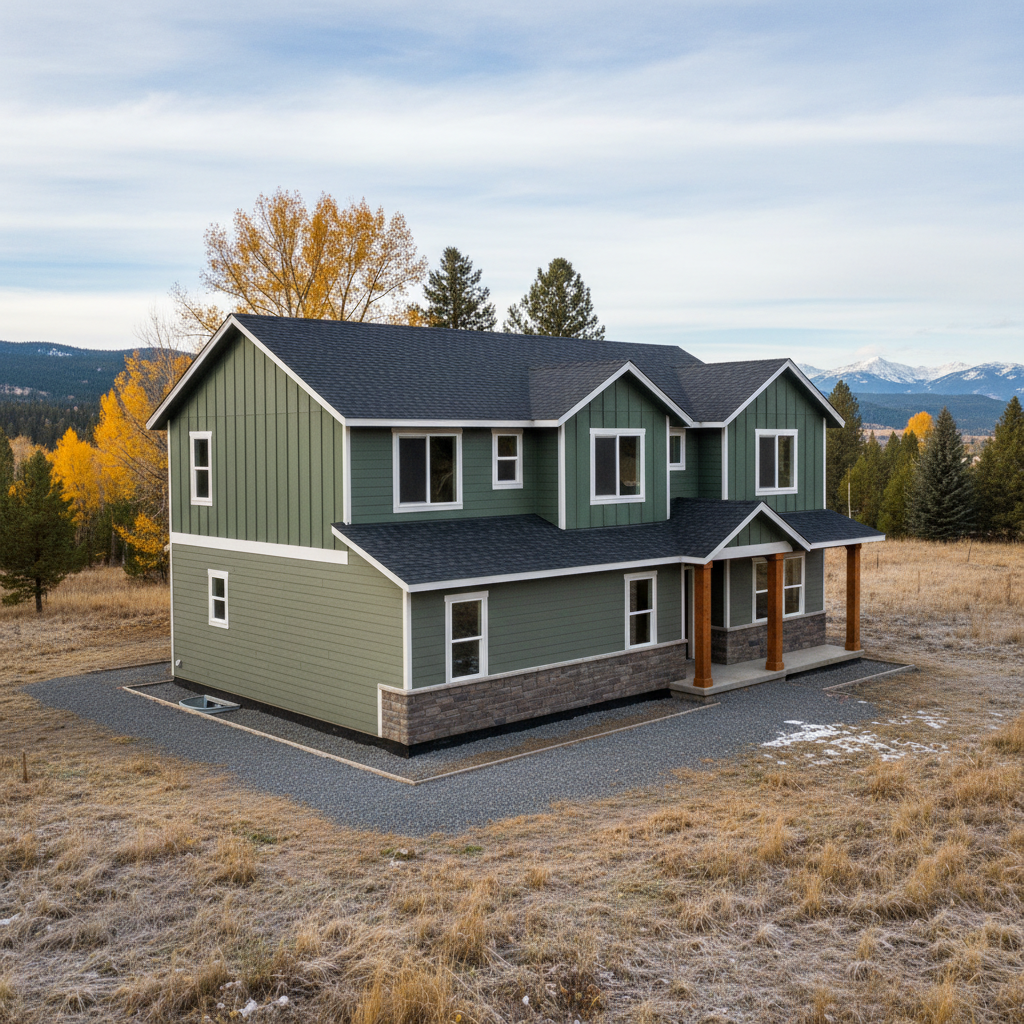
So, when's the best time to actually get that siding project done or just give your cement siding a little love here in Kalispell? That's a question I hear a lot, and it's a fair one. Our weather, as you know, isn't exactly predictable, and that really impacts how well your siding holds up and how long it lasts. You've made a smart pick with cement siding, by the way; it's tough stuff, built to handle a lot of what Montana throws at it. But even the best materials need some thought when it comes to putting them up and keeping them nice.
When to Schedule Your Cement Siding Projects in Kalispell
Look, if you're thinking about new cement siding or a big repair, timing is everything. You can't just slap it up in a blizzard or a heatwave and expect it to work perfectly, right? For installation, we're usually aiming for those sweet spots in spring and fall. Why those times?
- Spring (Late April to Early June): This is prime time. The ground's thawed out, the really heavy snow is gone, and we haven't hit those scorching summer days yet. The humidity is usually moderate, which is just right for cutting and fastening the boards. Plus, you're getting ahead of the summer rush, which is always a bonus.
- Fall (September to Early November): Another fantastic window. The summer heat has finally broken, and we're typically still clear of the deep freezes. The air is crisp, and conditions are generally stable. You really want to get the work done before the ground starts freezing solid, especially if there's any digging or foundation work involved.
Summer can work, sure, but you've got to be smart about it. Those days where it hits 90 degrees and the sun is just beating down? That's tough on the crew, and it can affect how materials behave. Winter? Forget about it for new installations. Trying to work with frozen materials, dealing with ice, and keeping everything dry is just asking for problems. We're talking about precise cuts and proper fastening; you can't do that when your fingers are numb or the boards are brittle from the cold.
Weather Conditions That Really Matter
It's not just about the season; it's about what's happening outside day-to-day. For cement siding, especially when you're cutting or painting, certain things are super important:
- Temperature: Most manufacturers, including James Hardie, say to install when temperatures are above freezing. For painting, you need a sustained period of above 50 degrees Fahrenheit, and absolutely no rain or heavy dew for at least 24-48 hours after you put it on. You definitely don't want paint freezing or washing off.
- Moisture: This is a big one. You want things dry. Installing siding when it's raining or when the boards are soaking wet isn't good. It can cause issues with swelling, proper fastening, and even mold if moisture gets trapped behind it. We're always watching the forecast for those sudden afternoon thunderstorms that roll in off the mountains, believe me.
- Wind: While not as critical as temperature or moisture for the material itself, high winds make installation dangerous and difficult. Trying to maneuver long, heavy siding planks when it's gusting 30 mph is just plain asking for trouble.
Year-Round Protection for Your Investment
You've put good money into your cement siding, so let's talk about keeping it in top shape, no matter what Kalispell's weather throws at it.
- Spring Check-Up: Once the snow melts and things dry out, take a walk around your house. Look for any loose boards, cracks, or dings from snow removal or ice. Check your caulking around windows and doors – it's your first line of defense against moisture getting in. If you've got a lot of trees, clear out any leaves or debris that might have collected in corners or behind trim.
- Summer Maintenance: This is usually pretty light work. Just keep an eye on your landscaping. Make sure shrubs and trees aren't growing directly against the siding, trapping moisture. If you're watering your lawn, try to direct sprinklers away from the house.
- Fall Prep: Before the snow flies, give your siding a good cleaning. A soft brush and a gentle rinse with a garden hose is usually all it takes. This gets rid of any summer grime and stops it from freezing onto the surface. Re-inspect that caulking and look for any spots where water might get in when the snow starts piling up. This is also a good time to trim back any tree branches that might rub against the siding in winter winds or drop heavy snow loads on it.
- Winter Watch: This is where your cement siding really earns its keep. It's built for our harsh winters, after all. Just be careful during snow removal. If you're using a snowblower or shovel, keep it clear of the siding to avoid accidental damage. And watch out for ice dams forming on your roof; those can cause water to back up behind the siding, which is never a good thing.
Taking a proactive approach to your siding care will save you headaches and money down the road. It's not about constant work; it's about smart, seasonal checks. Here at Premium Siding Solutions, we've seen it all, and a little bit of attention goes a long way in protecting your home from our beautiful, but sometimes brutal, Montana climate.